

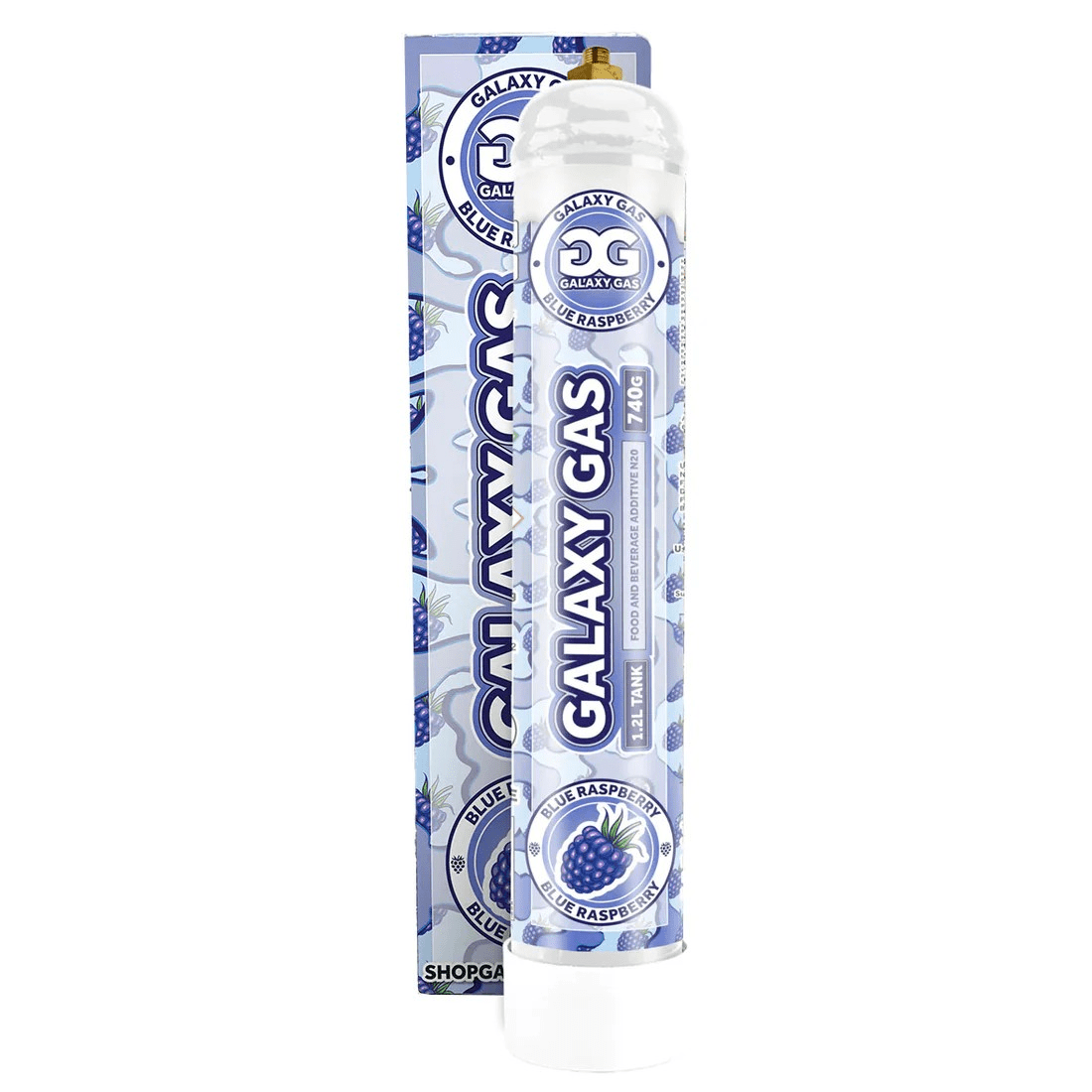
Is Galaxy Gas addictive
While not as addictive as some substances, such as opioids or nicotine, people can develop psychologic dependency.
Galaxy Gas is marketed with colorful cannisters and flavors, such as mango smoothie that are appealing, particularly to adolescents. In addition, nitrous oxide is easy for teens to obtain. Several pop artists have endorsed using Galaxy Gas and a recent TikTok trend has led to videos of people getting high on Galaxy Gas being posted on various social media platforms. Inhaling nitrous oxide in this manner is dangerous. Parents should be aware of this trend and the associated risks and talk with their teens.
Galaxy Gas (which contains nitrous oxide) can be psychologically addictive. While it may not be considered physically addictive in the same way as opioids or alcohol, regular use can lead to cravings, tolerance, and a strong dependency on the euphoric “high” it produces.
Key details regarding the addictive potential of Galaxy Gas include:
- Psychological Dependence: Users often become psychologically hooked on the short-lived (1–2 minutes) feeling of euphoria, leading them to use it repeatedly.
- Rapid Tolerance: Users may develop a tolerance, requiring more of the substance to achieve the same effect, which can lead to habitual use.
- Withdrawal-like Symptoms: While not physically addictive in the traditional sense, stopping after heavy use can cause withdrawal symptoms, including irritability, anxiety, and cravings.
- Dangerous Cycle: Because the high is fleeting, users often inhale repeatedly, increasing the risk of serious health consequences, including nerve damage, permanent neurological issues, and asphyxiation.
Note on Risks: Inhaling nitrous oxide from Galaxy Gas canisters is dangerous. It can cause vitamin B12 deficiency (leading to nerve damage), oxygen deprivation, and in some cases, death.