

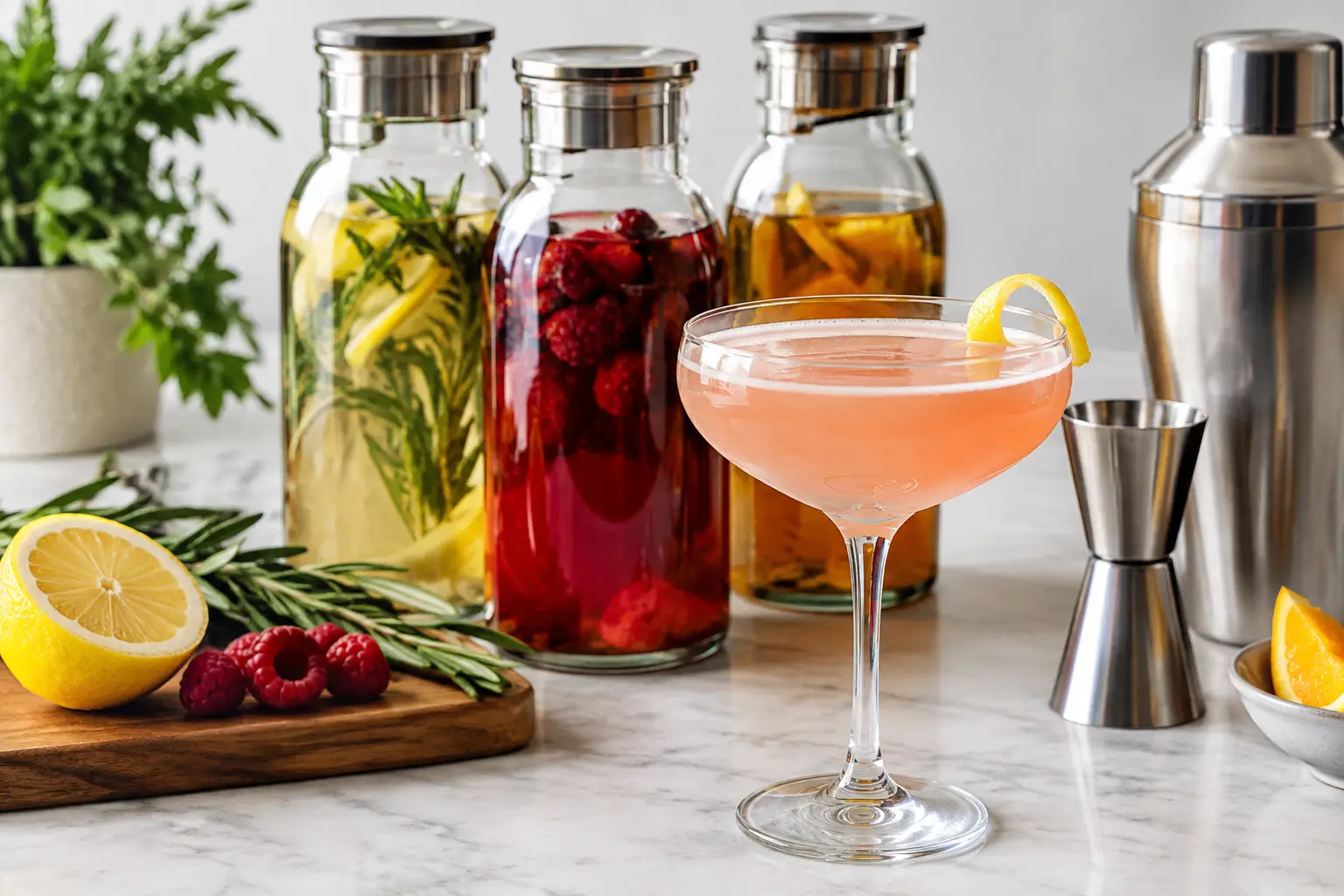
A ripe strawberry margarita should taste like strawberries, not like a spirit that has been sitting with fruit for three days. That is the appeal of rapid cocktail infusion at home: you can pull bright flavor from fresh ingredients in minutes, then put that flavor to work while the ice is still cold. For ambitious home bartenders, it is one of the fastest ways to make a familiar drink feel like it belongs on a serious cocktail list.
Traditional infusion has its place. A bottle of bourbon resting on toasted pecans or a jar of vodka steeping with vanilla develops depth over time. But when you want jalapeño tequila for tonight’s tacos, basil gin for an impromptu garden party, or coffee vodka before brunch, pressure-assisted infusion changes the timeline without asking you to compromise on creativity.
How Rapid Cocktail Infusion at Home Works
A rapid infusion uses a culinary cream whipper and food-grade nitrous oxide to move flavor into a spirit, wine, syrup, or low-proof cocktail component quickly. Under pressure, gas helps force liquid into the tiny spaces within herbs, fruit, spices, and other porous ingredients. When pressure is released, the liquid rushes back out carrying extracted aroma and flavor.
The result is not identical to a week-long maceration. It is usually fresher, more immediate, and often more aromatic. That makes it especially effective for delicate ingredients that can turn dull or muddy during a long soak: mint, cucumber, citrus peel, soft berries, basil, cilantro, and fresh ginger.
Think of the technique as a precision tool, not a shortcut for every recipe. Dense spices, woody botanicals, dried chiles, and nuts may still benefit from more time. The best method depends on the ingredient and the style of drink you want in the glass.
The Equipment That Keeps the Process Clean
The setup is compact, but the details matter. Use a quality cream whipper designed and rated by its manufacturer for culinary charging, along with food-grade N2O chargers or a compatible culinary gas system. A fine-mesh strainer is essential, and a coffee filter can help when you want a polished, crystal-clear infusion.
Choose a whipper with enough capacity for your recipe and leave room inside it. Overfilling makes extraction less consistent and can create a mess when you vent pressure. Keep ingredients cut to a size that fits comfortably without packing the canister tight. Large, soft pieces are easier to strain than a pile of pulverized herbs.
Only use equipment according to its instructions and only for legitimate food and beverage preparation. Inspect seals, threads, and the dispensing head before use. Keep the whipper upright while venting, point it away from people and food you do not want sprayed, and never attempt to force open a pressurized vessel. Culinary N2O is for culinary applications, not inhalation.
A Reliable Method for Fast, Bright Flavor
Start with a base that makes sense for the ingredient. Clean spirits such as vodka, gin, blanco tequila, and white rum let fresh additions lead. Whiskey, aged rum, and brandy can be spectacular with coffee, baking spice, roasted fruit, cacao, or nuts, but their existing character calls for a slightly firmer hand.
For a first batch, use about 1 cup of spirit with a loose handful of fresh produce or herbs. For potent ingredients such as chiles, whole spices, tea, garlic, or black pepper, start smaller than you think. Rapid infusion extracts quickly, and it is far easier to make a second short batch than to rescue a spirit that tastes aggressively vegetal or hot.
Add the spirit and flavor ingredient to the whipper, staying below the maker’s maximum fill line. Seal the unit, charge it exactly as directed by the manufacturer, and gently swirl or shake to distribute the liquid. Let it sit briefly. With tender herbs and soft fruit, 30 seconds to a minute may be enough. Firmer ingredients often need a few minutes.
Then vent the pressure carefully with the whipper held upright, preferably into a large container or over a sink. Once fully depressurized, open it and strain the infusion immediately. Taste before serving. If the flavor is underdeveloped, you can repeat the process with fresh ingredients. If it is too intense, blend it with uninfused spirit until the balance returns.
Do not shake so aggressively that berries become puree or herbs disintegrate. Fine particles cloud the final drink and can add bitterness. The goal is flavor transfer, not a smoothie texture.
Three Infusions Worth Making First
Cucumber Mint Gin
This is the kind of infusion that makes a basic gin and tonic feel tailored for a rooftop table. Combine London dry gin with thick cucumber slices and a small handful of mint. Keep the mint restrained – too much can shift from cool and fragrant to green and medicinal. Strain well, then serve with tonic, plenty of ice, and a lime wheel.
If the cucumber is especially watery, chill the finished infusion before building the drink. Cold temperatures tighten the flavors and make the botanical notes of the gin feel more intentional.
Strawberry Blanco Tequila
Use sweet, fragrant strawberries and blanco tequila for a fast base that works in margaritas, ranch water variations, or a simple shaken sour. Hull the berries and halve or quarter them rather than crushing them. The final spirit should smell like fresh fruit first, with tequila still clearly present.
A small pinch of salt in the finished cocktail brings out the strawberry without making the drink taste salty. Skip the urge to add lots of sugar at the infusion stage. Taste the margarita after adding citrus and orange liqueur, then sweeten only if the fruit needs help.
Pineapple Jalapeño Rum
Pineapple and jalapeño make a high-impact pairing, but chile heat can get out of hand quickly under pressure. Remove the seeds and white membrane from the jalapeño, use a few thin slices, and taste after the shortest practical resting time. You can always run a second mild batch if you want more kick.
Pair the finished rum with fresh lime and a touch of simple syrup, or lengthen it with sparkling water for a punchy highball. For a richer profile, use it in a daiquiri with a few drops of saline solution.
Choose Ingredients for Aroma, Not Just Novelty
The most successful infusions begin with a clear idea of what you want the spirit to contribute. Bright ingredients tend to thrive: grapefruit peel, lemon peel, mint, basil, rosemary, ginger, pineapple, peaches, raspberries, cucumber, and toasted coconut are all strong candidates. Use washed, fresh produce and avoid bruised fruit, which can bring a fermented or stale note into the glass.
Citrus deserves special attention. Use peel instead of juice when infusing spirits. The peel carries aromatic oils, while juice adds water, acid, and pulp that can shorten shelf life and blur the spirit’s texture. Remove as much bitter white pith as possible for a cleaner result.
Be cautious with ingredients that contain fat or heavy oils, such as peanut butter, cream, cheese, or large amounts of cacao butter. They can require fat-washing and careful chilling rather than a quick infusion. Likewise, carbonated mixers do not belong in a pressurized whipper. Build with soda, tonic, ginger beer, or sparkling wine only after the infusion is strained and the cocktail is ready to serve.
Balance the Drink After the Infusion
An infused spirit is an ingredient, not a completed cocktail. Its flavor can be more expressive than the original base, so recipes often need less syrup, fewer bitters, or a lighter hand with liqueurs. Taste a small sip of the infusion before reaching for your usual specs.
A simple framework helps: combine the infused base with fresh acid, a measured sweetener, and dilution from shaking or stirring. If the infusion is herbaceous, use bright citrus. If it is fruit-forward, consider a little salt or a dry sparkling topper. If it is warm with spice, add texture through egg white or aquafaba only after your spirit is fully strained.
For a bar-quality finish, label and date every batch. Store strained infusions tightly sealed in the refrigerator when they contain fresh produce, and use them promptly for the cleanest flavor. Spirits infused with dry spices or citrus peel can last longer, but aroma still fades over time.
Rapid infusion is where a home bar stops waiting for inspiration and starts serving it. With a dependable culinary setup, fresh ingredients, and a little restraint, you can build drinks that feel inventive, polished, and ready for the first pour.