
A dispenser that will not charge properly can stop a dessert station, slow cocktail service, and turn a simple prep task into a costly delay. Choosing compatible chargers for cream dispensers starts with more than picking an N2O cartridge from the shelf. The fit, gas type, charger quality, and demands of your service all shape whether you get clean, consistent whipped cream or a frustrating mess.
For ambitious home cooks, the goal is restaurant-style texture without wasting ingredients. For pastry teams, caterers, and high-volume mixologists, compatibility is a workflow issue: every charger needs to perform predictably when the ticket rail is full. Here is how to make the right match for your dispenser and your culinary setup.
What Makes Cream Dispenser Chargers Compatible?
Compatibility has two sides. First, the charger must physically work with the dispenser’s charger holder and charging mechanism. Second, it needs to contain the right food-grade gas for the preparation you are making. A cartridge can look similar to another one while being the wrong fit or the wrong gas entirely.
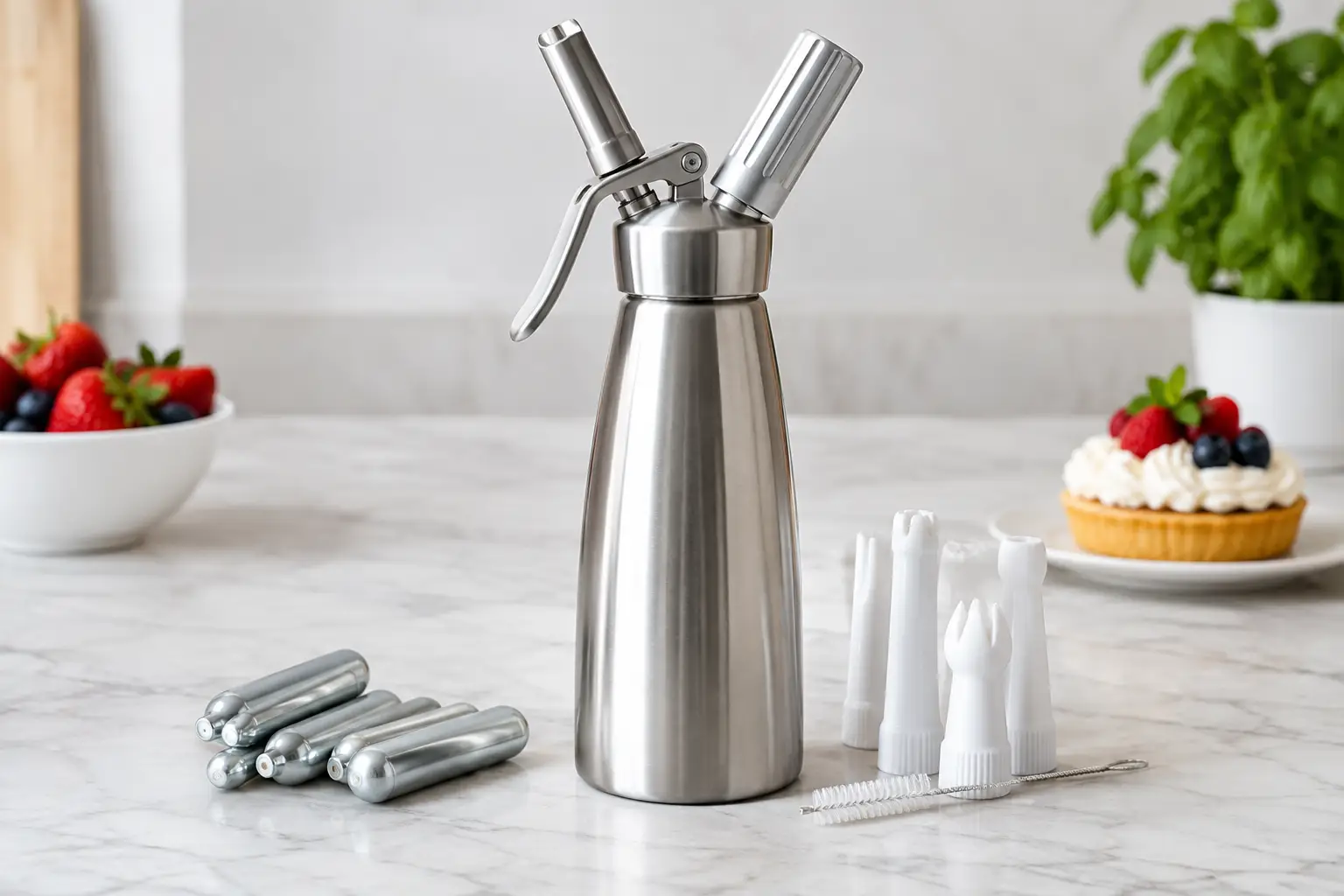
Most traditional whipped cream dispensers designed for individual cartridges use standard 8-gram nitrous oxide chargers. These are the familiar small, steel, single-use cartridges used for whipping cream, creating foams, and supporting rapid culinary infusions. When a dispenser is made for this standard format, quality 8-gram N2O chargers from established culinary brands generally work with it.
That does not mean every gas cartridge is interchangeable. Carbon dioxide cartridges are designed for carbonation, not whipping cream. They produce a sharply different result and should not replace nitrous oxide in a cream dispenser. Likewise, a larger N2O cylinder is not simply an oversized cream charger. It requires a purpose-built regulator, hose, and dispensing setup rated for the equipment being used.
Check the Charger Holder Before You Buy
The charger holder is the part that screws onto the dispenser and pierces the cartridge. Inspect it for damage, cross-threading, or worn seals before assuming the charger is the problem. If the holder does not thread smoothly or the charger will not seat correctly, stop rather than forcing it. A forced connection can damage the holder, compromise the seal, and create avoidable waste.
A standard cream dispenser should have clear manufacturer guidance on its required charger format. Follow that guidance first, especially with premium dispensers, older units, or specialty systems. The brand name on a charger matters less than whether the cartridge format and the dispenser’s approved design match.
Purity Is Part of Performance
A compatible fit is only half the equation. Culinary nitrous oxide should be clean, consistent, and intended for food and beverage preparation. Reliable gas quality helps cream expand evenly and gives chefs more control over texture, volume, and hold time.
Low-quality cartridges may introduce inconsistency into a workflow that depends on repeatable results. In a busy dessert program, one weak charge can mean reworking a batch of chantilly. Behind a bar, it can leave a foam too loose to finish a drink properly. Choosing recognized culinary charger brands helps protect the standard of the final plate or glass.
Compatible Chargers for Cream Dispensers by Setup
The right purchase depends on the system sitting on your counter. A classic pint or half-liter whipped cream dispenser commonly uses one standard 8-gram N2O charger per fill, though the exact quantity depends on the dispenser size and manufacturer instructions. Do not add extra chargers simply to chase a firmer result. Overcharging can affect texture, increase pressure, and create a less controlled dispense.
For standard dispensers, individual 8-gram chargers offer practical flexibility. They are easy to store, simple to portion into daily prep, and useful for home kitchens or stations with moderate volume. They also let you try different culinary brands while keeping your existing dispenser setup unchanged.
Larger kitchen operations may benefit from higher-capacity N2O supply systems, but those systems are a separate equipment category. They are not compatible with a standard cartridge holder by default. If your business is considering bulk gas for repetitive service, choose equipment engineered for larger cylinders and use the correct food-service regulator and connections. The efficiency gain can be meaningful, but only when the entire system is built to work together.
This is where buying for the job matters. A home cook making weekend desserts may want a compact box of standard chargers. A catering team producing hundreds of portions needs dependable inventory planning. A cocktail program using rapid infusions and espuma-style foams may need both a clear charging routine and backup stock for service. The charger format stays central, but the quantity and supply method should follow your volume.
Signs a Charger Is Not the Right Match
When a dispenser does not perform as expected, do not assume the gas is defective right away. Start with the basics. Is the charger the correct 8-gram N2O format for the dispenser? Is the charger holder fully threaded? Is the gasket clean and properly seated? Is the dispenser head assembled correctly?
A hissing sound during charging usually points to a sealing or assembly issue. If gas leaks around the holder, remove the charger only after following the dispenser manufacturer’s safety instructions and allowing the unit to depressurize as directed. Replace damaged gaskets or holders rather than improvising a repair.
Weak dispensing can also come from recipe choices. Cream that is too warm, too low in fat, or overly diluted may not whip as expected even with a compatible charger. Chill the dispenser and ingredients when the recipe calls for it, use the correct amount of liquid, and shake according to your dispenser instructions. Expert performance comes from the entire process, not just the cartridge.
Choose Chargers for the Results You Want
For classic whipped cream, focus on fresh, well-chilled ingredients and dependable standard N2O chargers. A reliable charger supports light, stable volume that can elevate pies, waffles, coffee drinks, and plated desserts without the hand-whisking scramble.
For culinary foams and infused preparations, consistency becomes even more valuable. Small variations in gas performance can show up in the texture of a savory espuma or the finish of a signature cocktail. Professionals often prefer to standardize on a trusted charger source so recipes remain repeatable across shifts, events, and locations.
Flavor innovation can also influence the product selection, particularly for buyers building show-stopping dessert and beverage menus. Still, keep the equipment question separate from the creative one. Your dispenser must be designed for the charger format you select, and every preparation should follow food-safe recipes and manufacturer directions. Great presentation should never come at the expense of controlled technique.
Galaxy Gas offers a broad culinary lineup for chefs, bar professionals, and serious home cooks who want recognized charger brands, bulk-order options, and dependable access to the tools behind inventive cooking. Whether you need a practical restock or a larger supply for recurring service, buy with your dispenser format and expected output in mind.
Store and Handle Chargers With Kitchen Discipline
Treat chargers as pressurized culinary equipment, not casual pantry items. Keep them in a cool, dry place away from direct heat, open flame, and sharp impact. Do not puncture, modify, or attempt to refill single-use cartridges. Use chargers only with approved culinary dispensing equipment and never inhale nitrous oxide directly.
It also pays to keep the dispenser itself clean. After each use, follow the manufacturer’s cleaning guidance for the bottle, head, nozzle, and gasket. Dried dairy residue or blocked tips can mimic a compatibility problem and undermine an otherwise perfect setup. In a commercial environment, assign this task to the same opening or closing checklist that covers sanitizing and inventory.
The best charger is not necessarily the cheapest box or the largest supply option. It is the one that matches your dispenser, supports your recipes, and performs consistently when the final garnish, foam, or whipped finish has to look exceptional. Start with the approved format, choose culinary-grade N2O from a dependable source, and let your technique do the rest.