
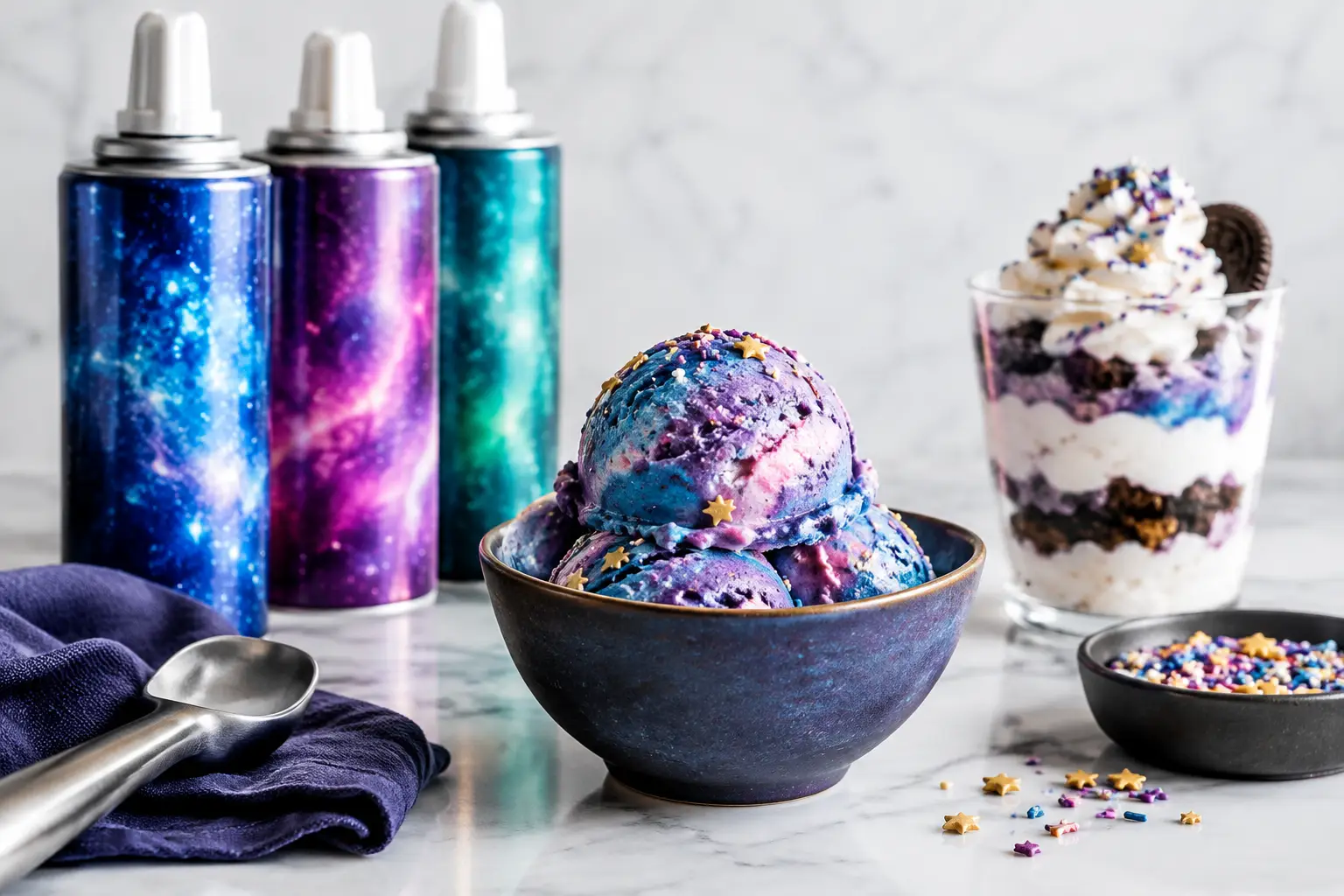
A vanilla bean cloud over warm pie. A bright strawberry foam that turns a simple soda into a dessert drink. A coconut finish on an espresso martini built for a packed Saturday service. Galaxy Gas flavors give chefs, bar teams, and ambitious home cooks another creative control point: aroma and character from the first look to the final bite.
The appeal is not just novelty. Flavored culinary nitrous oxide can support a more intentional presentation when it is paired with smart recipes, proper equipment, and a flavor profile that fits the menu. Whether you are plating hundreds of desserts or making a weekend brunch feel a little more special, the right choice helps you go above the norm without slowing down your workflow.
What Galaxy Gas Flavors Bring to the Kitchen
Flavor is experienced through aroma as much as taste. When a flavored tank is used for its intended culinary purpose with compatible whipped-cream equipment, it can add a recognizable aromatic layer to cream, foams, and select beverage applications. That extra note can make a familiar preparation feel more complete before the guest even takes the first bite or sip.
Think of the flavor as a supporting player, not a substitute for quality ingredients. A strawberry-forward option can reinforce fresh strawberry puree in a mousse, but it will not make thin, under-sweetened berries taste like peak season. A vanilla-style profile can complement pastry cream, cold brew, or whipped mascarpone, while the recipe still needs the right balance of dairy, sweetness, acidity, and salt.
That distinction matters in a professional setting. The best results feel deliberate rather than loud. Match the aromatic profile to ingredients already on the plate, then let texture and temperature do their part. A cold foam on a warm fruit crisp, for example, gains contrast without competing with the dessert itself.
Choose a Flavor by the Finished Experience
Start with the item you want the guest to remember. If it is a rich chocolate cake, a classic creamy or vanilla-adjacent profile usually gives you a clean, polished finish. If it is a playful milkshake, soda float, or celebration dessert, fruit-forward flavors can create more immediate impact.
For pastry work, restrained combinations tend to perform best. Vanilla, caramel, and chocolate-friendly profiles pair naturally with custards, coffee, brown butter, nuts, bananas, and baked fruit. They are useful when you want to add dimension to whipped cream without changing the core identity of a tart, pie, or layered cake.
Fruit profiles make sense when the visual presentation is equally energetic. Pair them with berry compotes, citrus curds, lemonade-style drinks, sparkling beverages, and frozen desserts. Be mindful of sweetness. A flavored foam on top of a very sweet syrup-based drink can become one-note fast, so use lemon, espresso, bitters, or a pinch of salt elsewhere in the build to restore balance.
Cocktail programs call for a slightly different decision. The goal is often an aromatic finishing touch, not a large volume of sweet foam. A delicate topper can make a coffee cocktail, dessert martini, or zero-proof spritz feel more composed. Test a small batch before rolling it into service, especially when working with acidic juices, dairy alternatives, or thicker syrups. Texture, hold time, and dispensing behavior depend on the full recipe, not flavor alone.
Match Capacity to Your Service Pace
The most exciting flavor choice is only useful if your team can execute it consistently. Capacity should follow volume, storage space, and how often you need to refill during service. Smaller options can be practical for home kitchens, limited menus, and testing new ideas. Larger tanks can make more sense for catered events, busy dessert stations, or bar teams that need dependable output across a long shift.
There is a trade-off. Keeping several flavor profiles on hand gives you more creative flexibility, but it also requires better labeling, inventory rotation, and recipe discipline. A focused program with two or three purposeful profiles is often stronger than a crowded shelf of options that rarely get used.
For high-volume operations, build flavor choices around repeatable menu moments. One reliable option for coffee and pastry, one for fruit-driven desserts or drinks, and one seasonal feature can cover a great deal of ground. This approach keeps purchasing efficient while still giving regular guests something new to talk about.
Galaxy Gas offers flavored culinary products alongside a wide selection of chargers, dispensers, regulators, and recognized brands, so buyers can build around the equipment and order volume that fits their operation. For larger purchases, consider how often you use each flavor rather than choosing solely on price per unit. The best value is inventory that moves through your kitchen at the pace you actually need.
Build Recipes That Let Flavor Work
A successful flavored whipped preparation begins with a stable base. Use cold ingredients, measure sweeteners carefully, and avoid overloading the dispenser with solids that can clog the system. Fine-strain fruit purees, syrups, and infused liquids when the recipe calls for them. If you are developing a new menu item, record the exact formula, charge count, chill time, and yield so another cook or bartender can reproduce it.
Keep the base simple during early testing. Start with cream or another recipe-appropriate base, then compare the result against the same preparation made without a flavored product. Ask a direct question: does the flavor improve the finished dish, or does it only make the concept more complicated? That tasting discipline separates a memorable signature from a gimmick.
Temperature is another quiet advantage. Cold whipped toppings preserve a bright, clean impression on warm desserts, while chilled cocktail foams can carry aroma upward without diluting the drink as quickly as a liquid garnish. Serve promptly when possible. Even a technically good foam loses some of its visual appeal if it sits too long before reaching the guest.
Practical Handling Keeps Service on Track
Use food-grade products only with equipment designed for culinary nitrous oxide, and follow the manufacturer’s instructions for every tank, charger, regulator, and dispenser in your setup. Inspect connections, keep components clean, store products as directed, and train staff on the specific equipment they will use. A smooth service depends as much on these habits as it does on a creative recipe.
Culinary nitrous oxide products are for food and beverage preparation only. Never inhale nitrous oxide directly from a tank or charger, and keep products away from anyone who may misuse them. Direct inhalation is dangerous. Treat tanks and accessories with the same care you would give any pressurized kitchen tool.
For teams that work events, organize a simple station checklist before leaving the kitchen: compatible equipment, chilled recipe components, spare parts where appropriate, labeled flavor choices, and a plan for safe storage during transport. That small amount of preparation protects the presentation you worked hard to create.
Make the Flavor Feel Like Part of the Menu
The best use of flavored culinary gas is rarely the loudest one. It is the detail that makes a familiar dessert more polished, gives a cocktail a stronger opening aroma, or turns a home-made treat into something guests photograph before they taste it. Build around ingredients you already trust, choose capacity with your real service volume in mind, and test until the result feels effortless. When the flavor has a clear job to do, every plate and pour has more reason to stand out.