

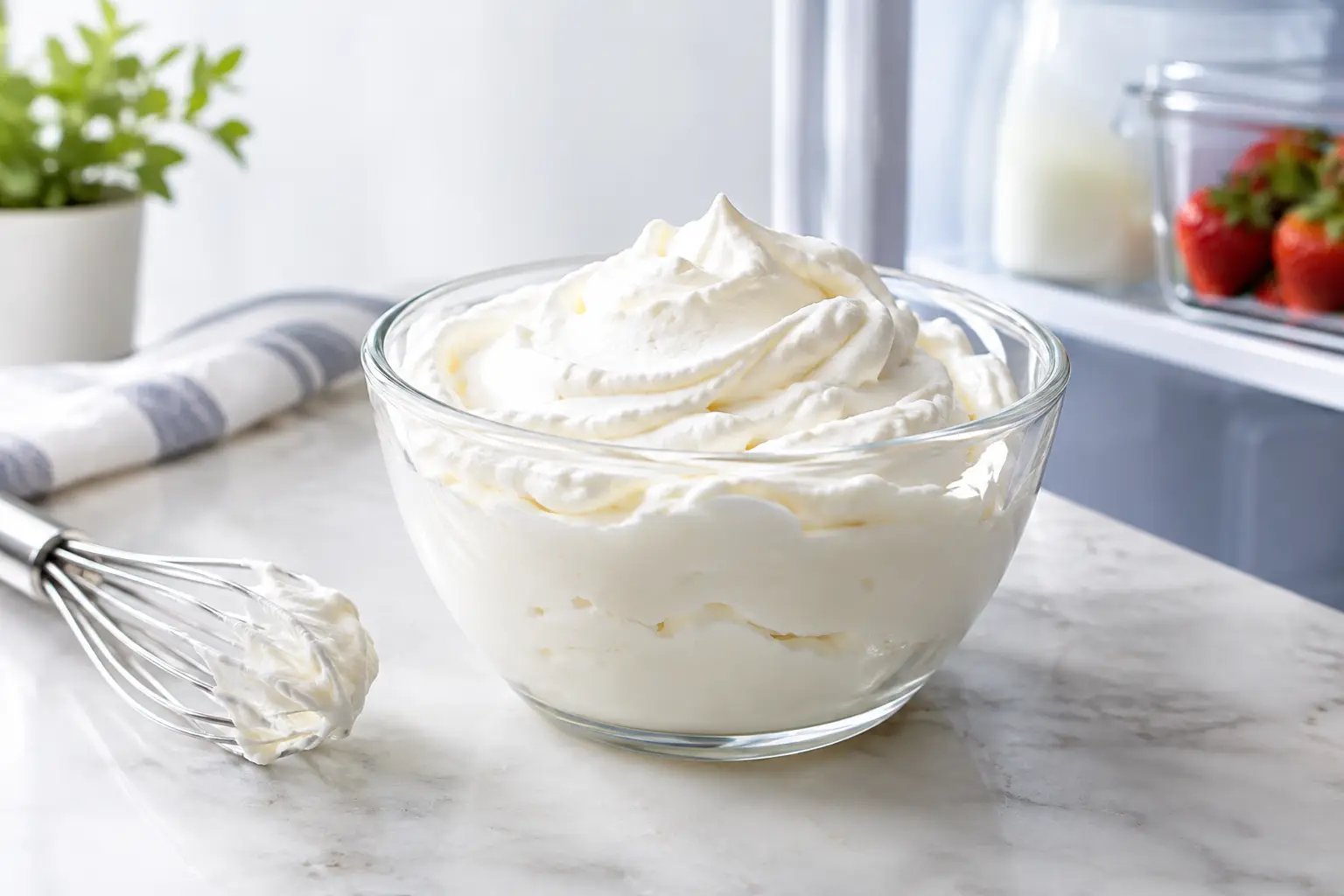
A beautifully piped rosette can make a plated dessert look restaurant-ready. But once cream is whipped, its shelf life gets much shorter than the carton in your refrigerator. If you are wondering how long whipped cream lasts, the practical answer is usually one to three days in the fridge, depending on how it was made, stored, and served.
For pastry teams, high-volume mixologists, and ambitious home cooks, that difference matters. Cream that still looks fluffy can be past its best texture, while cream left too long at room temperature can become a food-safety problem before it visibly collapses. Treat whipped cream like the perishable dairy product it is, then build your prep schedule around its specific style.
How Long Does Whipped Cream Last?
Freshly whipped heavy cream generally lasts one to three days in a refrigerator kept at 40°F or below. For the best flavor and cleanest texture, use plain homemade whipped cream within 24 hours. By day two, it may begin releasing liquid, losing volume, or taking on refrigerator odors. It can still be usable if it smells fresh and has been continuously chilled, but it may not have the polished finish needed for a dessert station or signature drink.
Whipped cream made in a dispenser with food-grade nitrous oxide can often hold its texture longer than hand-whipped cream because the closed dispenser limits air exposure and helps maintain a fine, stable structure. As a working rule, keep it refrigerated and use it within one to two weeks, unless the cream, flavoring, or manufacturer directions call for a shorter window. Always follow the guidance for the ingredients you use and the dispenser itself.
Stabilized whipped cream has the longest refrigerator life. Depending on the stabilizer, it can stay attractive for three to four days, occasionally longer. That is useful for catered events, cake finishing, make-ahead parfaits, and busy weekend service. The trade-off is that some stabilizers change the mouthfeel, so choose one that suits the final dish rather than simply chasing maximum holding time.
The Storage Clock Starts Earlier Than You Think
The cream carton has its own date, but that is not the only date that matters. Once you open the carton, introduce tools, add sugar or puree, and whip the cream, you create a new storage situation. A carton that was close to its use-by date will not become fresher because it is transformed into whipped topping.
Start with cold heavy cream, a clean bowl or dispenser, and clean utensils. Refrigerate the finished cream promptly in a covered container or sealed dispenser. The refrigerator door is convenient but not ideal, since its temperature swings every time the door opens. Store whipped cream toward the back of a shelf where the temperature stays more consistent.
For a dessert bar or cocktail service, avoid repeatedly moving one large container between the refrigerator and counter. Portion what you expect to use for a short service window and keep the rest chilled. This small habit protects both texture and food safety, especially in a warm kitchen, outdoor event, or packed brunch shift.
Room Temperature Has a Short Limit
Whipped cream should not sit out for more than two hours. When the room is hotter than 90°F, such as an outdoor summer event or a busy kitchen near hot equipment, reduce that window to one hour. Return unused cream to the refrigerator only if it has stayed within those limits and has not been contaminated by used utensils or contact with guests.
Do not rely on a cold-looking serving bowl to stretch the clock. Ice beds can help during service, but they are not a substitute for monitoring time and keeping the product properly chilled. For longer events, plan smaller batches and replenish them from refrigerated backup containers.
What Changes the Shelf Life?
Not every whipped cream behaves the same way. Fat content, added ingredients, handling, and storage method all influence how long it stays light, stable, and safe to serve.
Plain sweetened whipped cream is simple and versatile, but it is also the least stable. Sugar provides a little support, yet it will not prevent separation for long. Powdered sugar can offer a modest advantage because it often contains cornstarch, though that should not be treated as a full stabilization method.
Flavor additions can shorten the window. Fresh fruit puree, citrus juice, coffee, liqueur, and water-based extracts all change the mixture. Acidic or watery ingredients may loosen the foam, while chunky mix-ins can create uneven texture. If you are building an inventive strawberry cloud for waffles or a citrus cream for cocktails, make a smaller batch and use it sooner.
A dispenser is a strong option when speed, consistency, and presentation matter. With a clean dispenser, cold ingredients, and culinary-grade gas, chefs and home hosts can produce a smooth, airy finish on demand instead of holding a large bowl of pre-whipped topping. Galaxy Gas supports that kind of performance-focused prep with a broad selection of culinary gas products and accessories. Keep the dispenser refrigerated between uses, and never leave dairy-based contents in a warm service area.
Signs Whipped Cream Has Gone Bad
A little liquid at the bottom of a container does not automatically mean whipped cream is unsafe. It often means the foam is breaking down. You may be able to gently fold it back together for a casual topping, although it will not pipe as sharply as a fresh batch.
Discard it when you notice a sour, rancid, or otherwise off smell; yellowing or unusual color; visible mold; a slimy texture; or a flavor that seems tangy when it should taste clean and dairy-rich. When in doubt, throw it out. There is no plated-dessert upgrade worth gambling on questionable dairy.
Also watch for overwhipping. Cream that becomes grainy or starts turning buttery has not necessarily spoiled, but it has crossed from plush topping into a different texture. It may work in a compound butter or baking project, but it will not deliver the soft, glossy peak most desserts and drinks need.
Can You Freeze Whipped Cream?
Yes, but freeze it for convenience rather than expecting an identical fresh result. Spoon or pipe individual portions onto a parchment-lined tray, freeze until firm, then transfer them to an airtight freezer container. They are especially useful for hot chocolate, coffee drinks, pies, and rustic desserts.
Frozen whipped cream is best within one to two months for quality. Thaw portions in the refrigerator, not on the counter. The texture may be slightly less delicate after thawing, so save freshly made cream for situations where precise piping, clean layers, or high-end visual impact is the goal.
Do not freeze a whole bowl if you can avoid it. Large masses thaw unevenly and release more liquid. Individual portions give you better control and less waste, which matters whether you are prepping for a dinner party or managing a fast-moving dessert menu.
Make Whipped Cream Last Its Best
The goal is not merely to keep whipped cream technically usable. It is to serve it at the moment when it is cool, clean-tasting, and visibly luxurious. Make plain hand-whipped cream close to service. Use a stabilized formula when cakes, events, or prep schedules demand more holding power. Use a refrigerated dispenser when you need repeated, consistent portions with less bowl-side breakdown.
Most of all, label prepared batches with the date and time. That simple professional habit removes guesswork when the refrigerator fills up before a big service. Great whipped cream is fleeting by nature, and that is part of its appeal: keep it cold, use it with intention, and let every swirl land with the fresh, cloudlike finish your dessert or drink deserves.