
A polished dessert cart, a packed cocktail station, and a busy catering prep table have one thing in common: speed matters, but so does the finish. Cream chargers give chefs, bartenders, and ambitious home cooks a practical way to create airy whipped cream, refined foams, and rapid culinary infusions without sacrificing consistency.
For restaurant service and at-home entertaining alike, the right setup turns a basic topping into a final detail worth noticing. Think vanilla bean cream holding its shape over warm pie, a citrus foam brightening a zero-proof drink, or a cocktail infusion prepared with the kind of efficiency a high-volume bar needs.
What Cream Chargers Do in the Kitchen
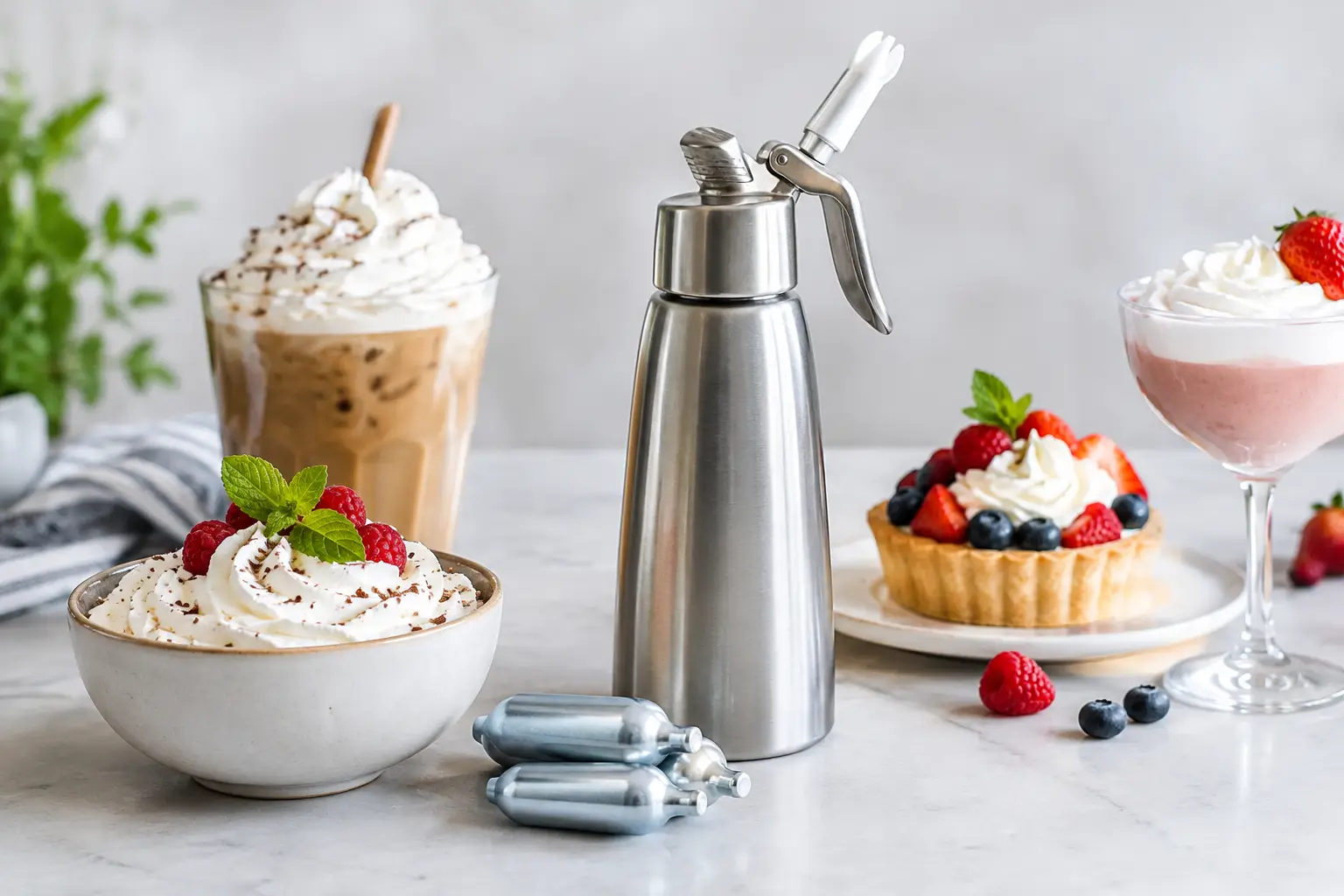
Cream chargers are single-use culinary cylinders filled with food-grade nitrous oxide, also called N2O. When used with a compatible whipped-cream dispenser, the gas pressurizes the contents and helps create the light, smooth texture associated with freshly whipped cream.
The result is not just about volume. Properly prepared whipped cream can have a more delicate mouthfeel than hand-whipped cream, while a dispenser gives the kitchen more control over portioning and presentation. That matters when the same dessert has to look sharp on plate one and plate one hundred.
Culinary nitrous oxide also has a place beyond classic whipped toppings. Professionals use compatible systems for foams, sauces, and rapid flavor infusions in liquids. A mixologist might build a fruit-forward cocktail component with more speed than traditional steeping allows. A pastry cook may use a charger to produce a stable finishing cream just before service. The best application depends on the ingredient, the desired texture, and the equipment being used.
Choosing Cream Chargers for Your Service Style
Not every kitchen buys for the same reason. A home cook planning a dinner party may prefer a smaller quantity that is easy to store. A dessert shop, catering operation, or cocktail bar usually benefits from buying at a volume that supports repeated service and reduces the risk of running short during a rush.
Capacity, compatibility, and product quality should lead the decision. Standard chargers are designed for standard compatible dispensers, while larger culinary N2O tanks require the proper regulator and equipment. Before purchasing, confirm what your dispenser or tank system accepts. A great charger cannot deliver expert performance if it does not match the tool already in your kitchen.
Purity is equally central. Culinary applications call for food-grade gas from dependable brands, especially when texture and flavor are part of the guest experience. Reliable pressure supports repeatable results, whether you are producing a soft whipped topping for iced coffee or finishing dozens of plated desserts before the dining room fills.
Flavor is another consideration for buyers who want a more playful menu. Flavored culinary gas products can add novelty to whipped toppings and beverage-focused creations, but they work best when the flavor complements the recipe rather than overwhelms it. Berry notes can suit summer desserts, while sweeter profiles may fit milkshakes, frozen drinks, and celebration cakes. For a classic pastry program, unflavored options remain the flexible choice.
Buy for the Pace of Your Operation
A single dispenser and a small box of chargers can be enough for weekend baking. A bar program with a foam garnish on every signature cocktail needs a more deliberate inventory plan. Consider how many servings you produce per shift, how frequently the menu changes, and whether you need backup stock for private events or holiday demand.
Bulk purchasing can make sense for businesses with steady usage, particularly when it creates a better per-unit value. It also saves time otherwise spent placing frequent replenishment orders. The trade-off is storage: inventory should be kept in a cool, dry location away from heat and managed so older stock is used first.
From Fresh Cream to a Better Finish
Ingredients still determine the quality of the final result. A charger can create an impressive texture, but it cannot rescue thin cream, grainy sugar, or a poorly balanced flavor base. Start with cold ingredients, use a recipe suited to a whipped-cream dispenser, and strain mixtures that contain particles before filling the equipment. This helps protect the valve and supports a cleaner dispense.
For traditional whipped cream, a small amount of confectioners’ sugar and vanilla can deliver a familiar, versatile finish. For more inventive cooking, try carefully balanced ingredients such as citrus zest-infused cream, espresso cream for tiramisu-style desserts, or a lightly sweetened coconut base where the recipe and dispenser manufacturer guidance allow it.
Temperature affects performance. Cold bases generally produce a more stable, appealing result, while warm mixtures may not whip as expected and can create avoidable pressure concerns. Follow the instructions for your specific dispenser, use the correct number of chargers for its capacity, and shake as directed by the manufacturer. These basic details separate a reliable service tool from a frustrating cleanup job.
For beverage professionals, chargers can support fast experimentation, but restraint pays off. A foam should bring aroma, contrast, or texture to the drink. It should not bury the base spirit, fresh juice, or zero-proof build beneath an oversized garnish. When the culinary detail has a purpose, guests notice.
Care, Storage, and Culinary Safety
Cream chargers are kitchen tools, and they deserve the same care as a sharp knife, a torch, or a pressurized soda system. Use only equipment designed for culinary nitrous oxide and inspect dispensers, seals, threads, and regulators before use. Damaged or incompatible components are not worth the risk or the wasted ingredients.
Keep chargers and tanks away from direct sunlight, open flames, and high heat. Do not force a charger into a holder, modify equipment, or leave pressurized tools where children or unauthorized staff can access them. Empty chargers should be handled according to local recycling and disposal rules, which can vary by area.
Most importantly, culinary N2O is intended for food and beverage preparation only. Direct inhalation is dangerous and is not a culinary use. A professional kitchen culture treats every pressurized product with clear procedures, sensible storage, and staff training.
Keep Your Dispenser Working Like New
After service, clean the dispenser according to its manufacturer instructions rather than letting dairy residue sit overnight. Remove detachable parts, wash and dry them thoroughly, and pay close attention to the nozzle and gasket. Those small components have an outsized effect on how smoothly the dispenser performs.
If cream begins dispensing unevenly, first check the basics: Is the mixture cold? Was it strained? Is the nozzle clean? Is the seal positioned correctly? Many issues come down to maintenance or recipe consistency rather than the charger itself.
Build a More Inventive Menu, One Finish at a Time
The appeal of cream chargers is simple: they give a modest kitchen tool a wide creative range. A home cook can make an ordinary hot chocolate feel restaurant-ready. A caterer can plate desserts faster with a uniform, elegant topping. A high-volume mixologist can add a fragrant, visually striking finishing element without slowing down the bar.
Galaxy Gas serves culinary buyers who want that range without settling for a one-size-fits-all selection. From recognized charger brands to dispensers, regulators, flavored options, and bulk-ready inventory, the goal is to keep inventive cooking moving with dependable equipment and convenient online ordering.
Go above the norm, but keep the recipe at the center. Choose equipment that matches your workflow, use food-grade culinary products responsibly, and let each cloud of cream, foam, or flavor earn its place on the plate or in the glass.